
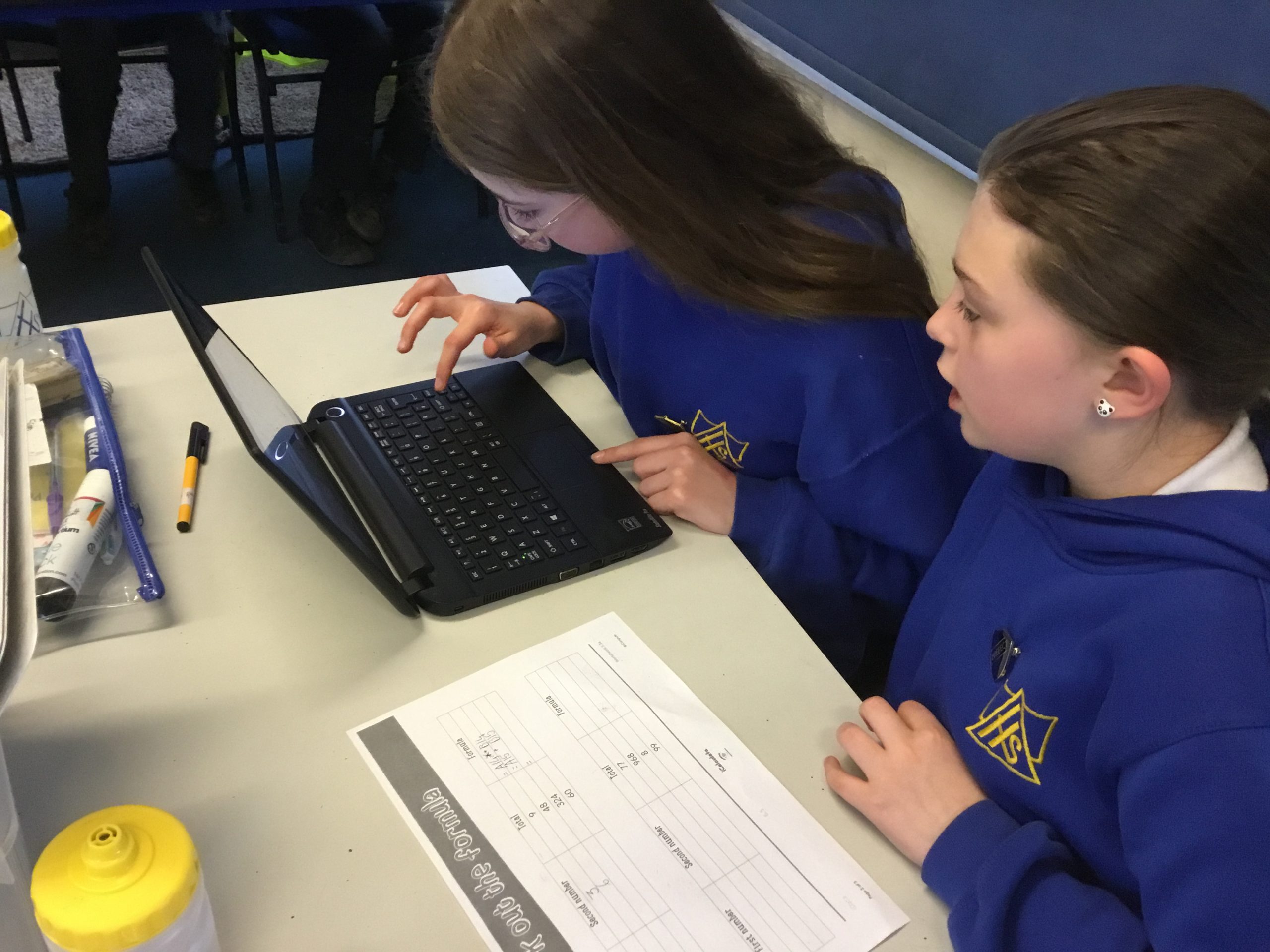
Intent
The use of computers and computer systems is a fundamental part of the National Curriculum and understanding how they work is an essential life skill. In an increasingly digital world, there is a wide range of software, tools and technologies available to support communication, collaboration, creativity and the creation of digital content. At Hillstone Primary School, we believe all pupils are entitled to a broad and balanced computing education. This is delivered through a structured and progressive approach that develops understanding of computer systems, effective use of information technology, and the skills needed to become digitally literate and fully engaged in modern society.
The school aims to cover the curriculum under three strands:
Computer Science
- To enable children to become confident coders on a range of devices.
- To create opportunities for collaborative and independent learning.
- To develop children’s understanding of technology and how it is constantly evolving.
Digital Literacy
- To enable a safe computing environment through appropriate computing behaviours.
- To allow children to explore a range of digital devices.
- To promote pupils’ moral, social and cultural development.
Information Technology
- To develop ICT as a cross-curricular tool to enhance and enrich learning and progression.
- To promote learning through the development of thinking skills.
- To enable children to understand and appreciate their place in the modern world.
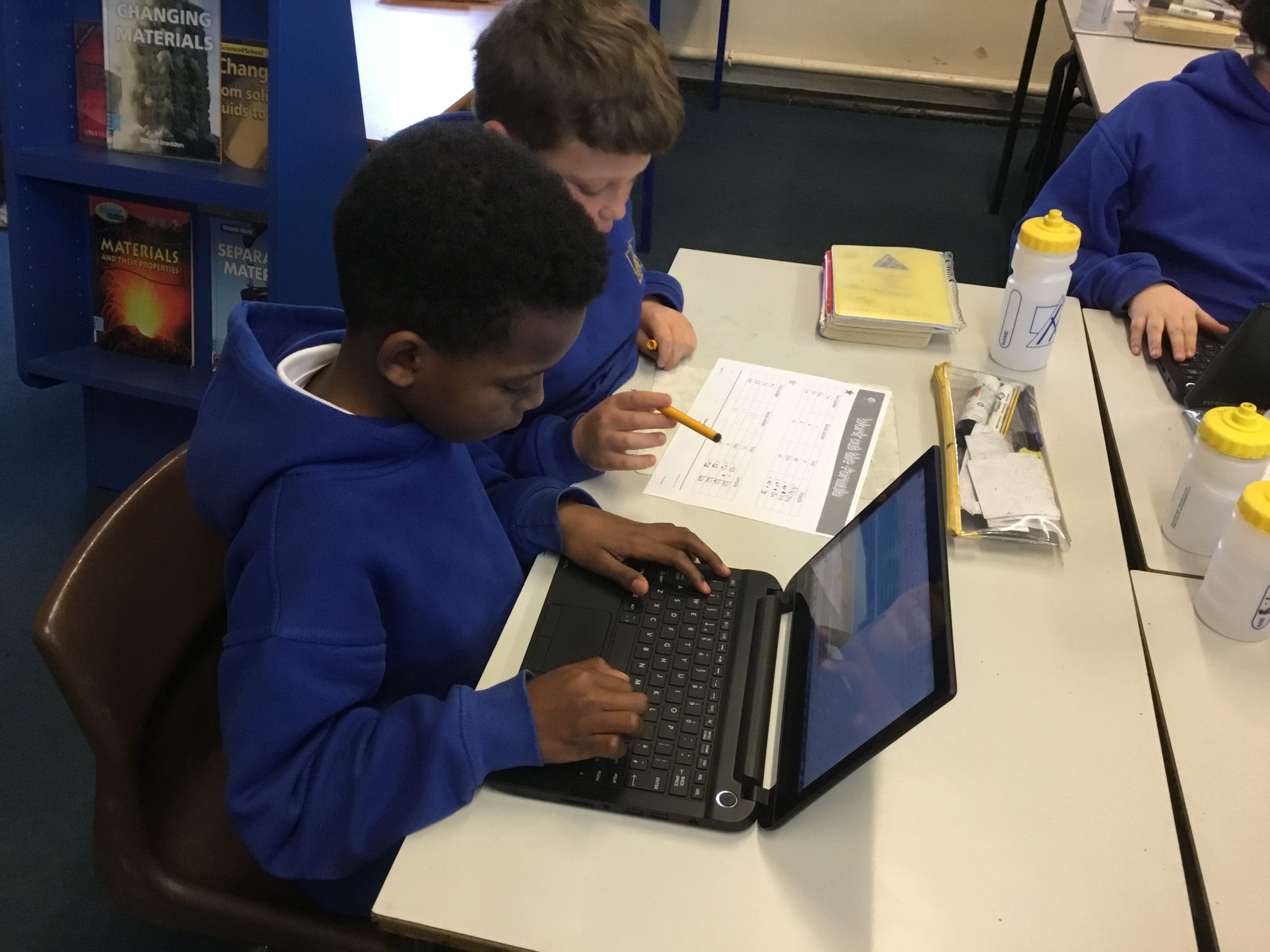
Implementation
Hillstone Primary school uses a bespoke curriculum to teach children the carefully mapped and sequenced computing objectives. Most lessons are taken from the ‘Teach Computing’ scheme. A curriculum has been built, which progressively builds computer science, digital literacy and information technology skills as the children progress through the school. The scheme fully meets all of the requirements of the National Curriculum. The subject leader has provided teaching plans, which are supported with detailed lesson plans and PowerPoint files to support class teachers. It is ideal for the non-specialist teacher. Children will experience a minimum of 6 computing lessons per term.